

cross-posted from: https://lemmy.world/post/54245880
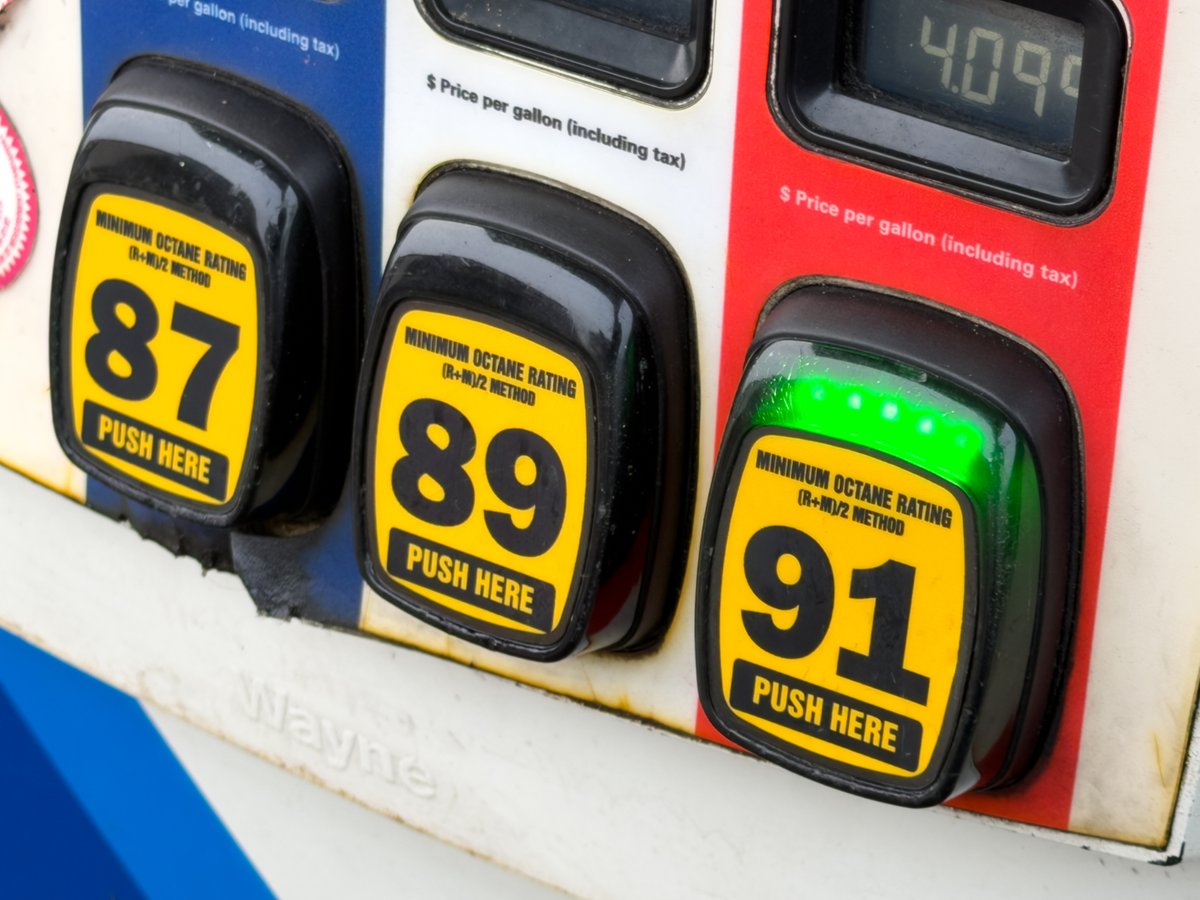
The U.S. war with Iran has raised fossil fuel prices so much that the resulting drop in oil demand has put the world on track to see a rare dip in carbon emissions from these sources in 2026.
Between 2019 and 2025, carbon dioxide emissions from fossil fuels grew by about 0.8 percent annually, according to a new study published in Nature Climate Change. But 2026 is set to buck that trend: high oil prices, as well as the continued rise of green technology—solar power, wind and electric cars—will cause a “short-term” 0.4 percent drop, according to the study.
“The high petrol prices following the war in Iran are reducing oil use and keeping emissions low,” says the study’s lead author Corinne Le Quéré, a professor of climate change science at the University of East Anglia in England. “But that’s not the whole story: The expansion of renewable energy has progressed a lot in recent years, led by China. And [along with electric vehicles], this is offsetting two thirds of the growing demand for energy.”
With all sources of carbon considered, including deforestation, total global CO2 emissions are set to continue increasing.
The america that isnt new York and LA. The whole middle part there.
Public transit will not work for rural areas or cities under a million. Its fine, we dont need it. Although I’d be all for banning cars downtown.
Why not? Public transit often reaches villages of a few hundred people in Germany despite being pretty patchy compared to the past. I live in a rural part of Germany and I don’t need a car at all. I have to acknowledge that having one does give you an edge in many cases, but it’s not a necessity. I’ve never had a car.
The US are a lot more spacious, yes, so the infrastructure would cost more to build and maintain, but that’s more of a “Do we want to spend money on that?” problem, rather than a “Would it work?” problem. Get some autonomous busses maybe and you don’t even need drivers.
What am I missing?
Rural areas in America are net drain on society. And the term rural is kind of pushing it especially in the east. It’s more of a sprawling strip mall/car dealership hellscape that’s occasionally interrupted by churches, trees and farms It’s a shit life and so many people are trapped here because of cost of living. We should be getting people out of those areas. Then it would be a moot point.